Germany has more faces than most visitors see. The brewery-and-castle version is real and worth doing. So is the Rhine Gorge in late September, a Christmas market in a preserved medieval town, and Berlin's particular way of wearing its 20th century on its sleeve. These are the five things I'd build any German itinerary around.
Trip Brief
Best For
Trip Length
8–12 days
Best Months
May–September for beer gardens and outdoor activities; December for Christmas markets
Budget Range
Comfortable: $3,500–$6,000/person
Luxury: $7,000–$12,000/person
Who Should Skip It
Anyone looking for a single-city trip, Germany rewards those who move between regions. A one-city Germany trip misses the point.
Arrive at Neuschwanstein before the tour buses: bring a guide
Neuschwanstein opens at 8am and is crowded by 9. The first guided tours of the interior, required for entry, are the only way to see it with any breathing room. The walk from Hohenschwangau village takes 45 minutes and is beautiful in its own right. Marienbrücke bridge, which gives you the famous view of the castle above the gorge, is best in the morning light before the tour buses arrive. Go early or don't bother going.
Eat in Munich's Viktualienmarkt - not the Hofbräuhaus
The Hofbräuhaus is the most famous beer hall in the world and serves roughly adequate food to thousands of tourists a day. The Viktualienmarkt, a short walk from Marienplatz, is Munich's daily outdoor food market and where locals actually eat. Breakfast there: Weisswurst mit Brezen, the traditional Bavarian white sausage eaten before noon, is the move. For lunch, Zum Wirt in Haidhausen or the Augustiner-Keller beer garden next to the brewery.
Spend a full day in Berlin's East Side Gallery and Prenzlauer Berg
Berlin is one of Europe's most fascinating cities: nowhere has processed the 20th century more visibly in its own streets. The East Side Gallery, a 1.3km stretch of the Berlin Wall covered in murals, is the starting point. Then walk into Prenzlauer Berg, former East Berlin, now the most desirable neighborhood in the city: tree-lined streets, independent cafés, Saturday farmer's market at Kollwitzplatz, and an energy that's distinctly, specifically Berliner.
Cruise the Rhine Valley in late September
The Rhine Gorge between Koblenz and Bingen, a UNESCO site, is medieval castles on every hilltop, terraced vineyards running to the water, towns that look like they haven't changed since the 19th century. The boat takes about four hours between the two cities. In late September during harvest, the vineyards are vivid, Riesling is being pressed, and small harvest festivals run along the river. Unexpectedly beautiful.
Visit Rothenburg ob der Tauber's Christmas market, not Cologne or Frankfurt
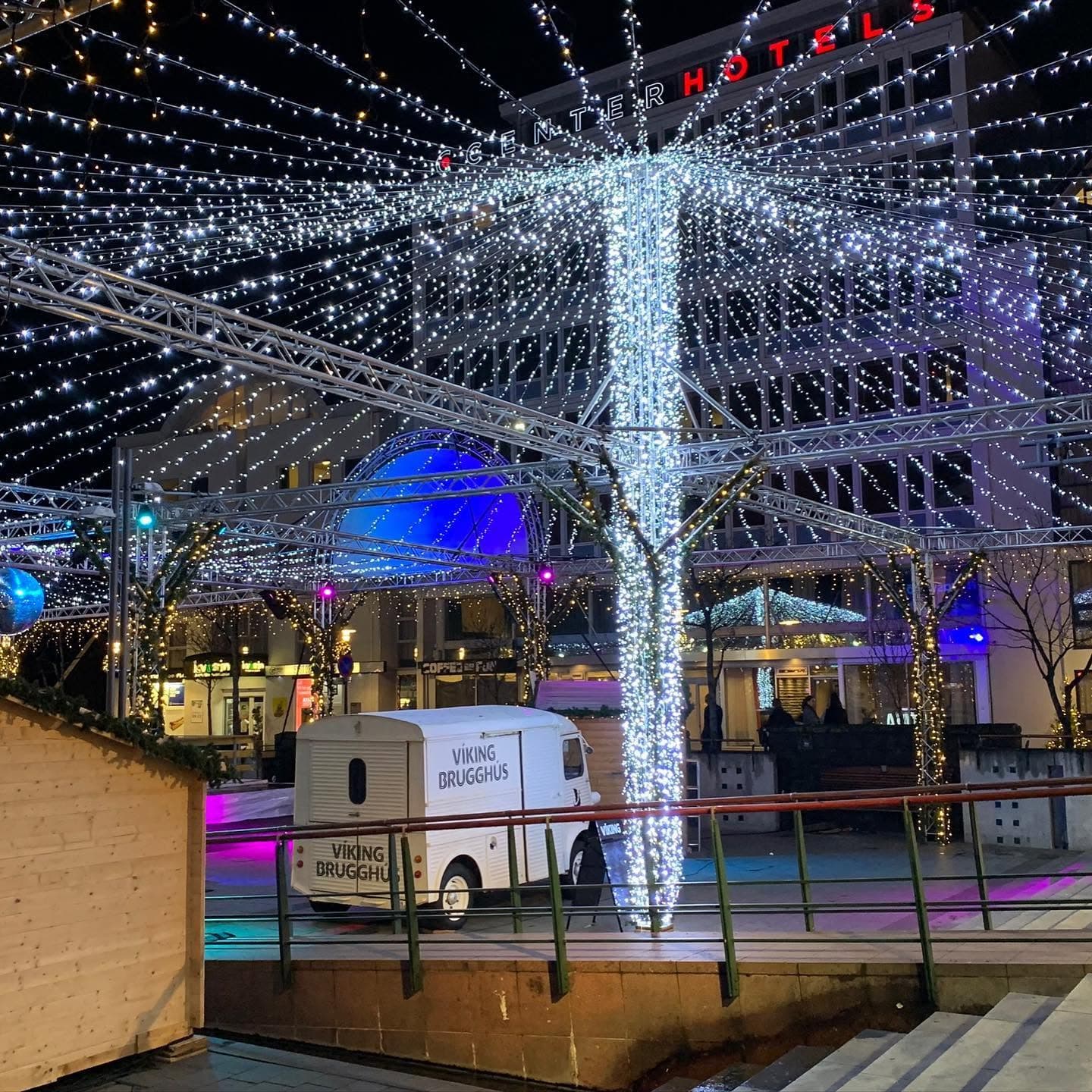
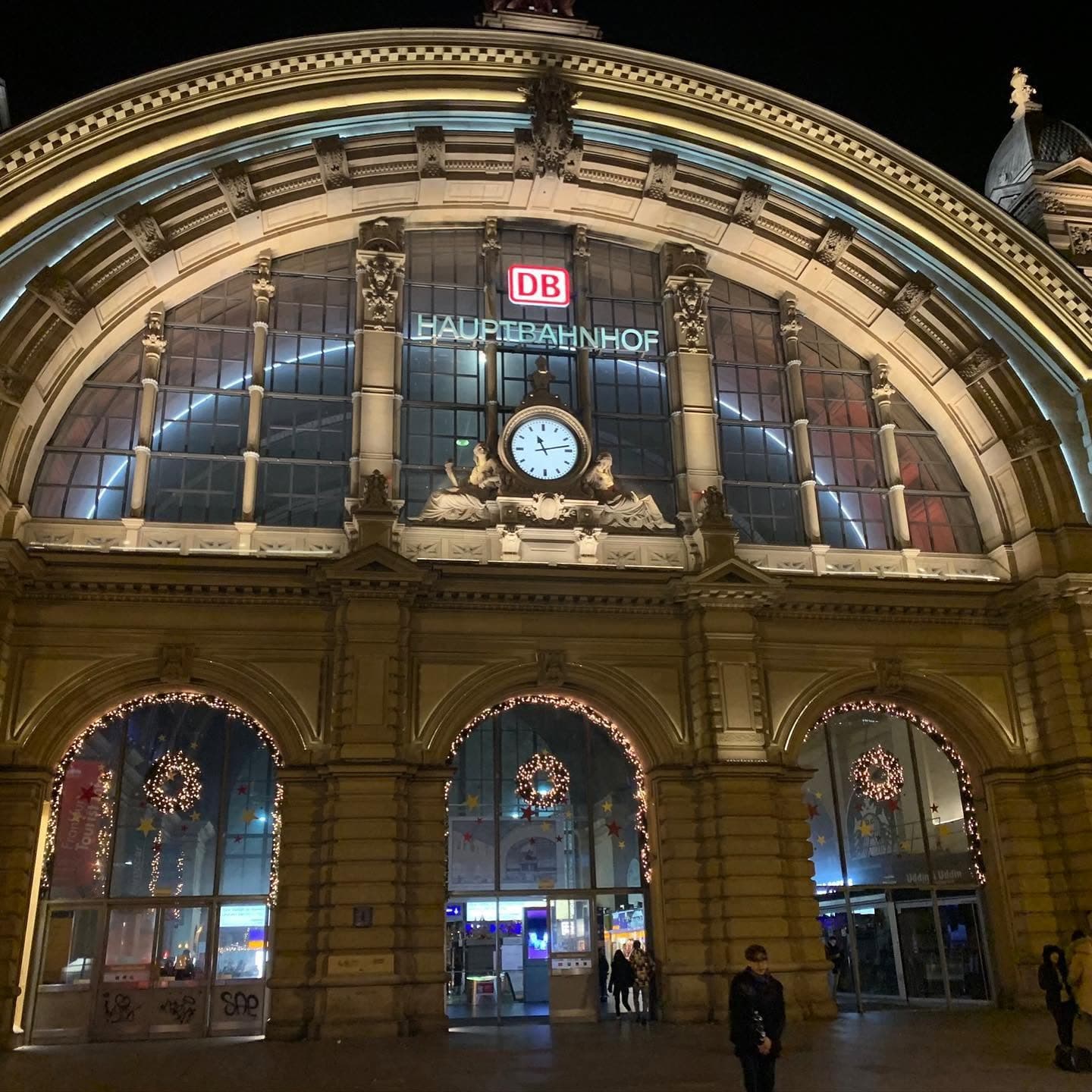
Germany's Christmas markets are the best in the world. The big ones (Cologne, Frankfurt, Nuremberg, Dresden) are worth going to. But Rothenburg ob der Tauber, a perfectly preserved medieval walled town in Bavaria, has a market that happens inside the town itself: walls lit at night, snow on the rooftops, human-scale. It's been running since 1631. A 2.5-hour drive from Munich or Frankfurt, worth the overnight stay.
Germany is an exceptional corporate retreat and group destination: the infrastructure, hotel quality, venue options, and general punctuality of everything makes logistics smooth. The beer is also very good and I say that not as a cliché but as someone who has spent real time in Bavarian beer gardens.
Germany covers a lot of ground. We'll help you pick the right route.
Bavaria, Berlin, the Rhine Valley, or Christmas market circuits, tell us your group size and travel window and we'll map the right version.
Written by
Jenn