Antarctica is not a destination. It's a perspective shift. I went expecting to be impressed by ice and wildlife and left with the sense that I had been to the one place on earth that has not yet been shaped by human presence, and that this was both its beauty and its fragility. These are the five things I'd tell anyone before they go.
Trip Brief
Best For
Trip Length
12–20 days (including travel days)
Best Months
November–March (Antarctic summer). No exceptions.
Budget Range
Comfortable: $8,000–$14,000/person
Luxury: $15,000–$35,000/person
Who Should Skip It
Anyone prone to seasickness who won't take preventive medication. The Drake Passage is not gentle. Beyond that, this trip is for anyone willing to go to the end of the earth.
The Drake Passage - two days of crossing you'll never forget
The Drake Passage, between Cape Horn and the South Shetland Islands, is the roughest stretch of open ocean on earth. Expedition ships cross it in about 48 hours: either a 'Drake Lake' (calm seas, rare) or a 'Drake Shake' (4-to-8-meter swells, everyone seasick). I had the latter. Once the seasickness passed on day two, standing on the bow in 50-knot winds watching albatrosses hunt in the wave troughs was something I won't forget. The crossing is part of the trip. Take the dramamine, get on deck when you can, accept the disorientation. Worth it.
The Zodiac landing at Neko Harbor, the moment you step onto the continent
Neko Harbor, on the Antarctic Peninsula, is one of the handful of landing sites where you can set foot on the Antarctic continent itself (as opposed to the islands offshore). The Zodiac inflatable carries you from the ship to a pebble beach hemmed by a glacier. Gentoo penguins toboggan past. Humpback whales feed in the bay behind you. The glacier calves periodically with a sound like a cannon shot. And when you step ashore, you are standing on a continent that 99.9% of humans who have ever lived never stood on. The combination of the setting and that fact is unlike anything I've experienced at any other destination.
Penguin colonies at Deception Island - 100,000 birds
Deception Island is a caldera: a collapsed volcanic crater: that you enter by ship through a narrow gap in the rim called Neptune's Bellows. Inside is a sheltered bay with geothermally warm water (dig a few centimeters into the beach sand and it's hot). The outer flanks hold chinstrap penguin colonies at a scale that's hard to prepare for. Walking among 100,000 penguins: the noise, the smell, the constant movement, their complete indifference to you, is one of the more overwhelming wildlife moments I've had. They walk between your feet and over your boots.
Kayaking through an iceberg graveyard
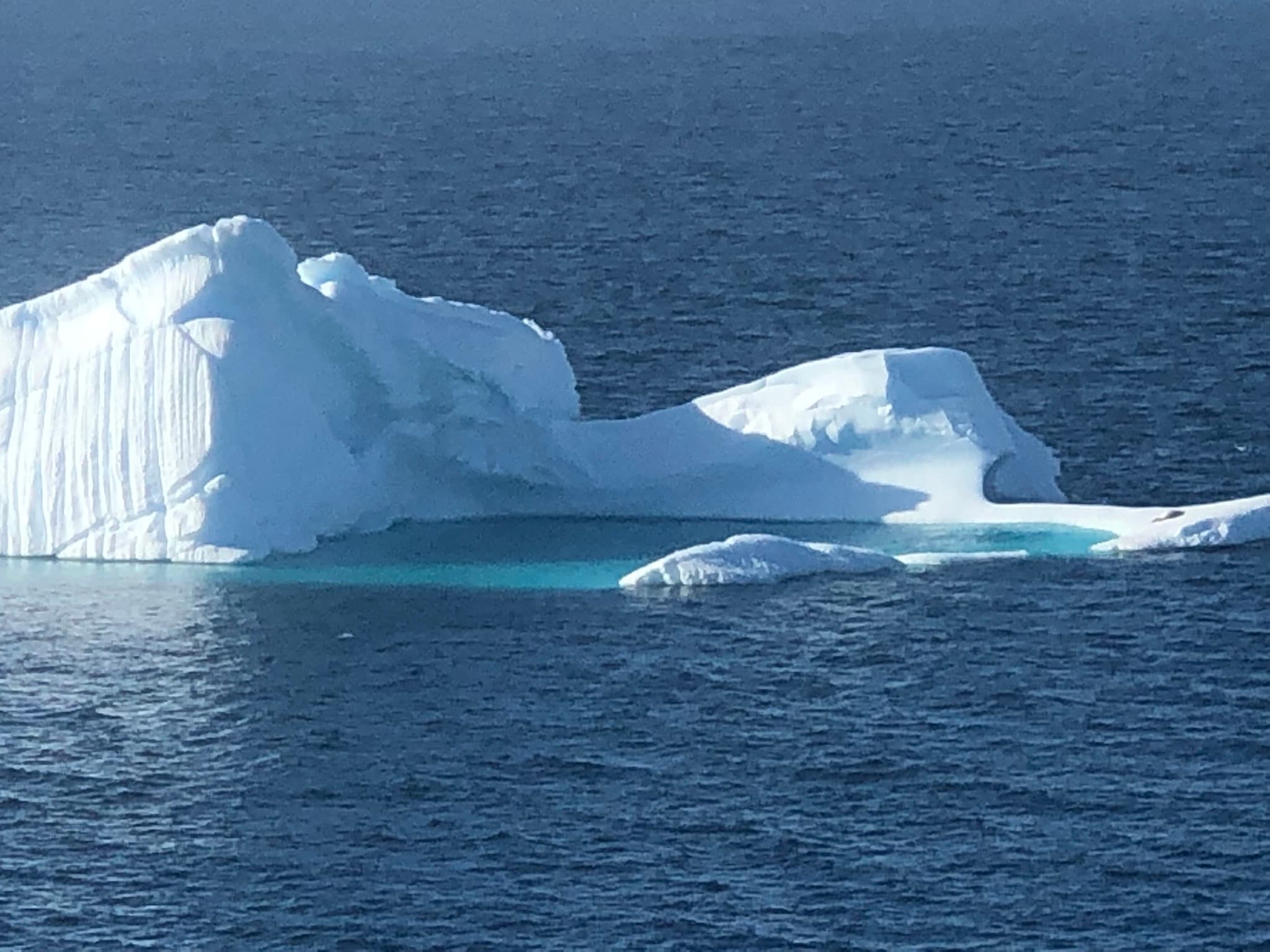
Most expedition ships offer kayaking as an add-on activity, and it is worth every dollar. From a Zodiac level, icebergs are impressive. From a sea kayak, paddling at the waterline past ice sculptures the size of office buildings, in water of absolute clarity with seals resting on the ice above you and penguins porpoising past: the scale of the ice becomes entirely different. The silence is nearly absolute except for the occasional drip and the distant sound of the ship's engines. I kayaked for two hours in Portal Point and didn't want to stop.
The light at midnight, 24-hour summer sun on the ice
In December and January, the Antarctic summer sun never fully sets: it dips toward the horizon around midnight and then climbs again, casting a low golden light across the ice for hours. The quality of that light: on tabular icebergs, on the snow slopes of the peninsula, on the surface of the sea, is like nothing I've seen anywhere else. I was on deck at 11:30pm watching a humpback whale feed in flat-calm water with the light coming in at a horizontal angle from the northwest. The Antarctic expedition ships are small enough that you can get on deck any time you like. Set an alarm for midnight at least once.
Antarctica is the most expensive trip I've taken and the one I'd repeat most readily. The environmental responsibility involved (limiting landings, keeping distances from wildlife, leaving nothing) is not an inconvenience but a condition of being there. The continent's preservation is the entire point. Go with a IAATO-certified operator who takes it seriously.
Antarctica is the most extraordinary trip you'll ever take.
Expedition ships book 12–18 months in advance. Tell us your group size and target season: the sooner you start, the better the cabin selection.
Written by
Eric